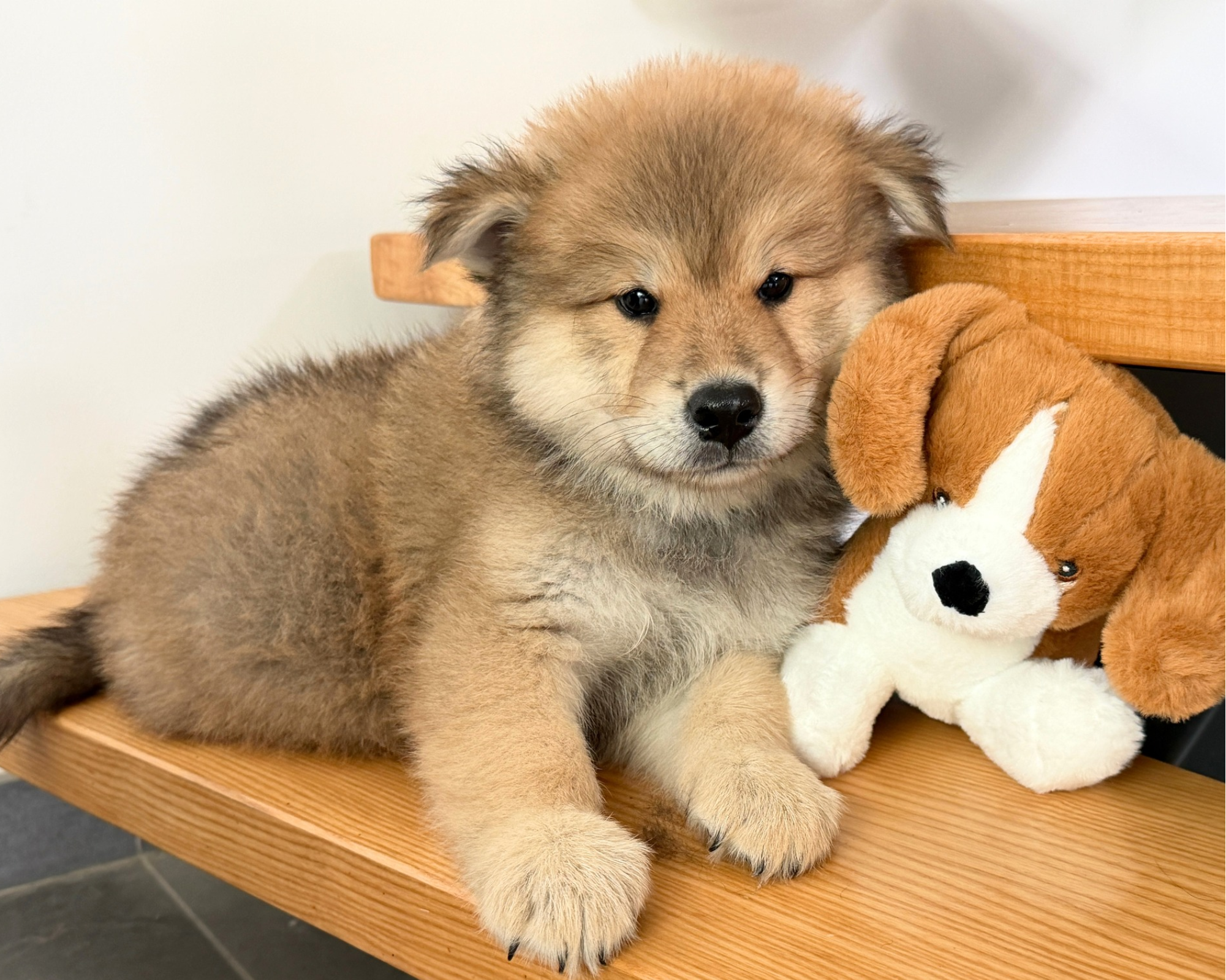
Ah, puppies. So cute, so sweet… until you find yourself chasing your puppy around the house because they’ve run off with one of your sneakers!
If you have a puppy, chances are you’ve experienced this firsthand. Puppies love to explore the world with their mouths, and that means chewing on just about anything they can get their little chompers on (including human flesh, which I wrote about here).
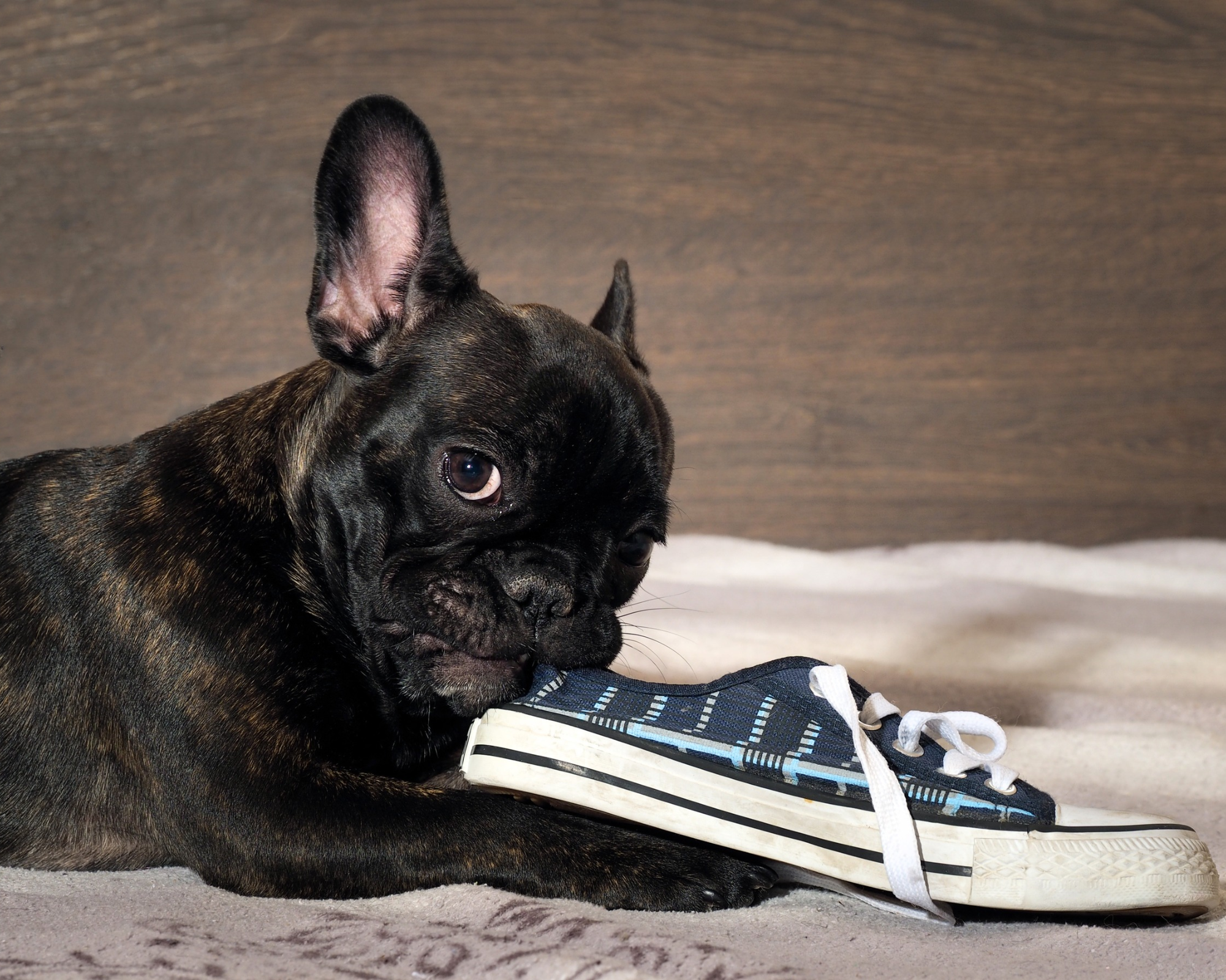
It can be frustrating when your puppy is constantly grabbing things they shouldn’t have, especially when you’re worried about your belongings getting destroyed or your puppy swallowing something dangerous. The good news? There are things you can do to make life with your puppy a whole lot easier.
Before we dive in, though, there’s something important to understand: chewing is a normal, natural behavior for dogs. Your puppy isn’t being spiteful, stubborn, or deliberately trying to make your life difficult. They’re simply engaging in a behavior that comes naturally to them.
As their caregiver, it’s our job to provide appropriate outlets for these natural behaviors while teaching them how to navigate life in our human world. If we don’t provide appropriate things to chew on and prevent access to tempting items, our puppies will find their own solutions… and those solutions might involve chewing on your favorite designer handbag.
So, how can we prevent destructive chewing and help our puppies make better choices? Here are my top three tips!
Manage Your Puppy’s Environment
If there’s one thing I can’t stress enough when it comes to raising a puppy, it’s the importance of management.
Management means setting up your puppy’s environment to prevent unwanted behaviors before they happen. Rather than constantly correcting your puppy for getting into things, we want to make it easier for them to make good choices in the first place.
Not only does this make life easier for both of you, but it also helps prevent unwanted habits from developing. And trust me, it’s much easier to prevent a bad habit than to break one once it’s established!
Here are a few ways to do that:
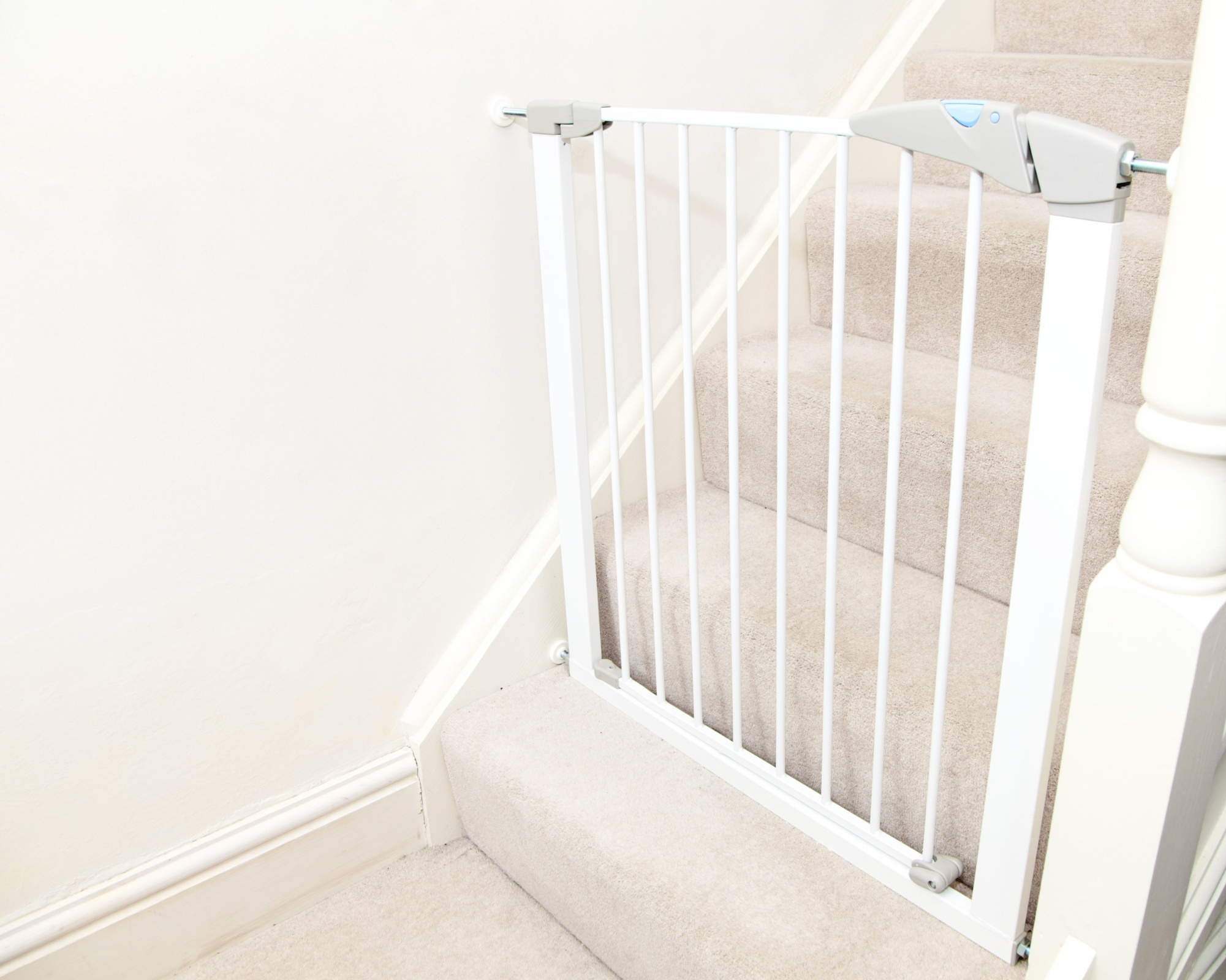
Puppy-proof your home. Keep shoes, clothing, remote controls, trash, and other tempting items out of reach. Pay special attention to anything that could be dangerous if chewed or swallowed.
Supervise your puppy closely. Young puppies need plenty of guidance, so keep an eye on them when they’re exploring their surroundings.
Use a designated puppy area. When you can’t actively supervise, a puppy-proofed playpen or gated area can help keep your puppy safe and prevent them from rehearsing unwanted behaviors.
You wouldn’t expect a two-year-old child to understand which household items are safe to play with and which ones are off-limits without any guidance, right? Puppies are no different! They need time to learn the rules of the house, and management helps prevent problems while they’re learning.
But management isn’t just about keeping things out of reach. It’s also about providing plenty of appropriate things for your puppy to chew on.
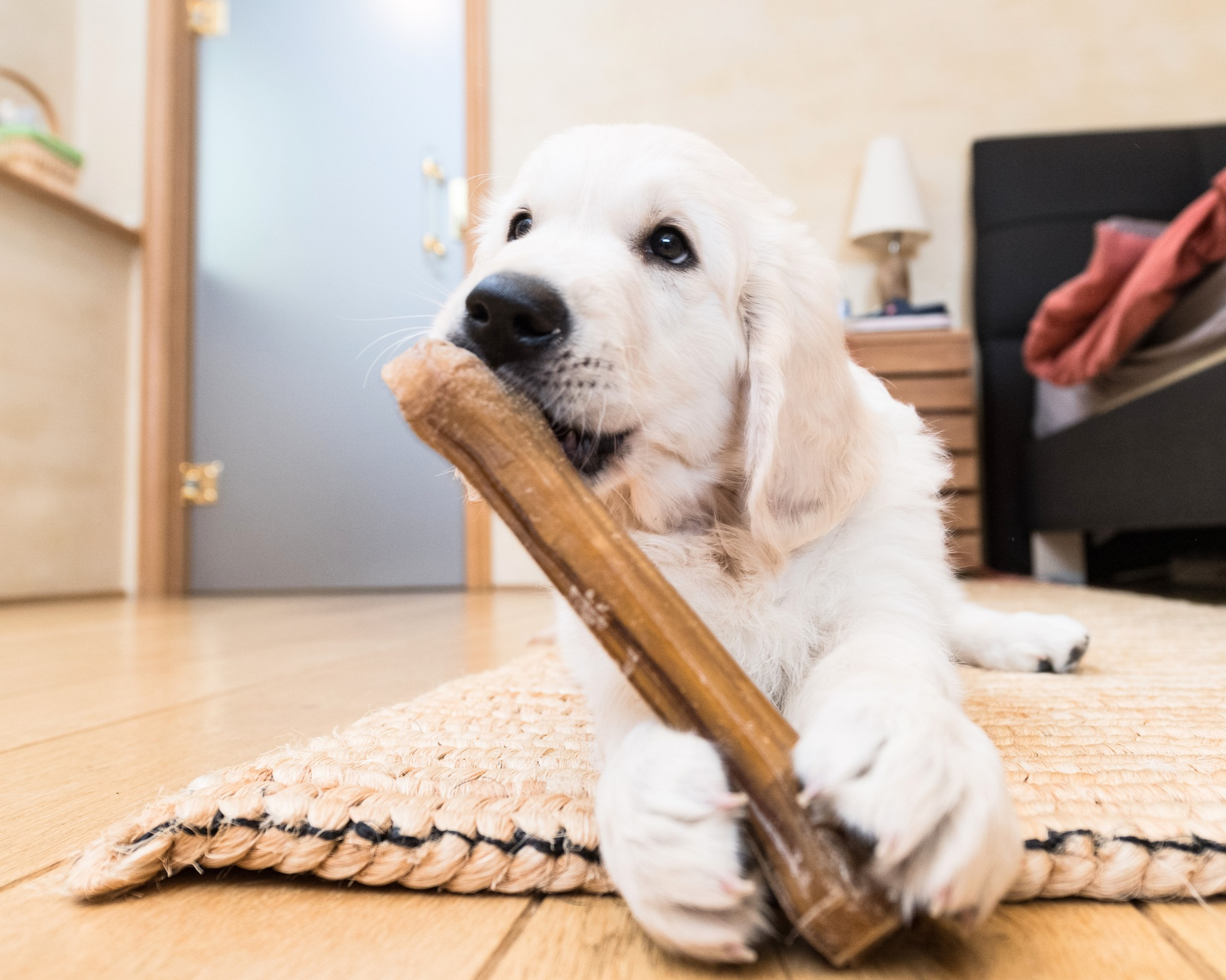
Remember, chewing is a natural behavior that we need to provide outlets for. Offer a variety of safe, age-appropriate chew toys, food-stuffed Kongs, and other suitable toys. Be sure to supervise your puppy with new toys and choose options that are appropriate for their age, size, chewing style, and developmental stage.
Providing appropriate chew options helps meet your puppy’s needs while encouraging good habits. Over time, as your puppy matures and gains more freedom around the house, you want them to be more likely to seek out their own toys rather than your belongings.
This sets them up for success while they develop the skills to make better choices!
Don’t Chase Your Puppy or Pry Things From Their Mouth
Picture this: your puppy grabs something they shouldn’t have, you approach to take it away, and suddenly they’re off to the races. It’s tempting to chase after them, corner them, or reach into their mouth to retrieve the item. After all, you just want your stuff back! But doing so can backfire.
Chasing your puppy may turn the whole situation into a fun game of keep-away. Your puppy learns that grabbing something gets you to chase them, making it even more rewarding to run off with your belongings the next time they get the opportunity.
Cornering your puppy or forcibly taking items from their mouth can also make them feel threatened. If they begin to associate your approach with losing their valuable possessions, they may become more reluctant to give things up or even begin to display aggressive behaviors.
So, what should you do instead? Trade them for something better!
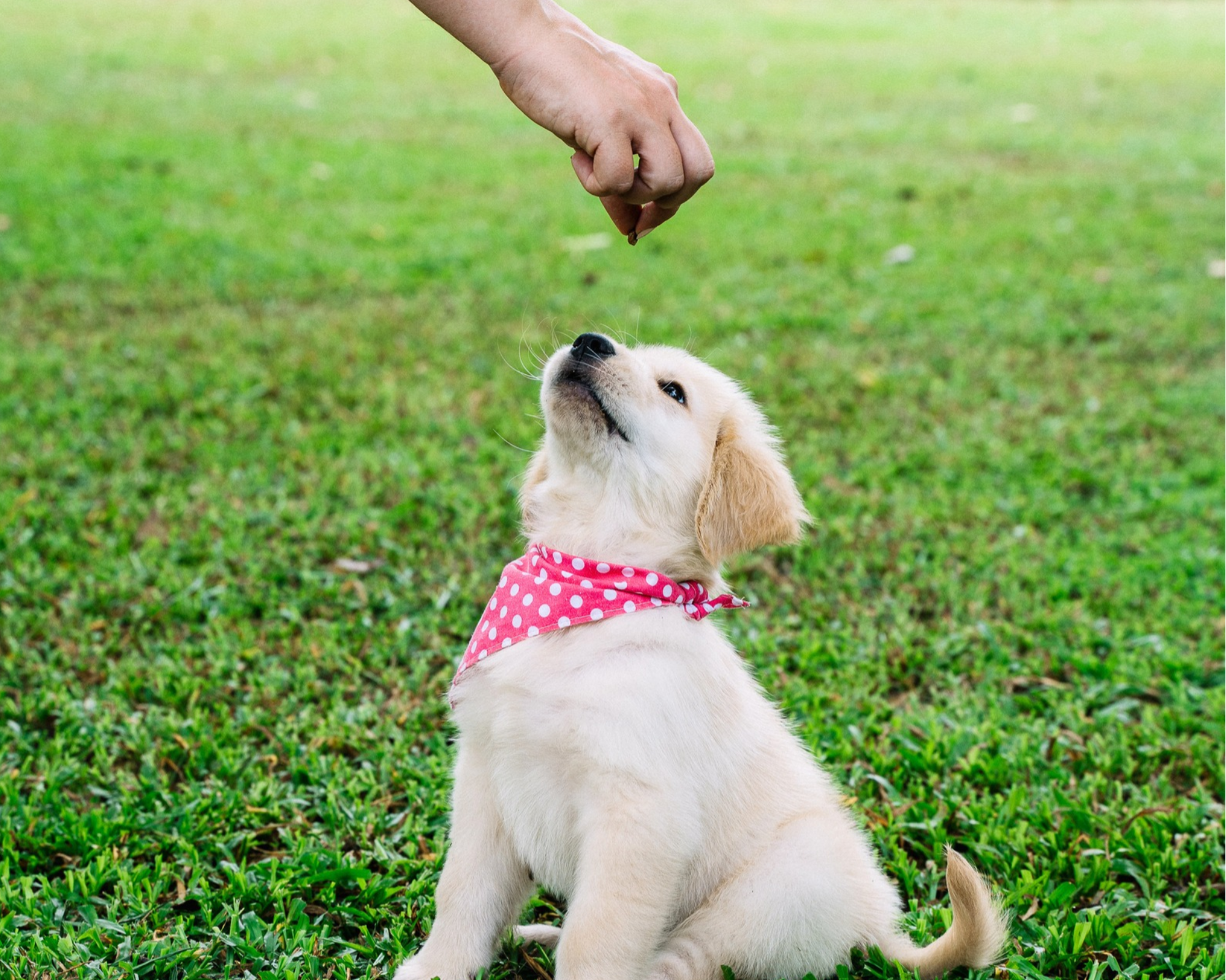
If your puppy has something they shouldn’t have, offer them something they’d like in exchange, such as a tasty treat or a favorite toy. When your puppy releases the item, calmly pick it up while they enjoy their reward. This helps teach your puppy that giving something up is a good thing, rather than something they need to resist.
If your puppy has something harmless and relatively unimportant, it may be easiest to let it go rather than turn the situation into a confrontation. Of course, you’ll want to revisit your management strategies afterward to prevent a repeat occurrence! If it’s something that could seriously harm them, such as a toxic substance, a sharp object, or something that poses a choking risk, their safety comes first. Act promptly to prevent harm, using a trade or other safe approach whenever possible. If you suspect they’ve swallowed something dangerous, contact your veterinarian, pet poison control or an emergency veterinary clinic immediately.
Teach Your Puppy What to Do, Rather Than What Not to Do
Puppies can’t be expected to know what we want until we teach them. Telling your puppy “no” or repeatedly taking things away doesn’t teach them what they should do instead. That’s where positive reinforcement training comes in!
Two incredibly useful skills to teach your puppy are drop it and leave it.
Teach Your Puppy to “Drop It”
Accidents happen! No matter how carefully you control your puppy’s environment, there will likely be times when they get hold of something they shouldn’t have.
Teaching a reliable “drop it” cue gives you a way to ask your puppy to release an item without turning it into a game of chase or a battle over their possession.
Start by practicing with safe, low-value toys in a calm environment. Offer your puppy a treat in exchange for releasing the toy, then reward them as soon as they release it. You can also return the toy when it’s safe to do so, helping your puppy learn that releasing an item doesn’t always mean losing it forever.
As your puppy gets the hang of the game, you can gradually build the behavior into more everyday situations with more challenging objects.
Teach Your Puppy to “Leave It”
While “drop it” is useful when your puppy already has something in their mouth, “leave it” helps when you want them to refrain from approaching or picking something up in the first place.
For example, maybe your puppy spots a tissue on the floor or notices something interesting on your walk. A well-trained “leave it” cue can help you redirect their attention before they grab the item.
Start with easy training exercises and reward your puppy for turning away from the item and focusing on you. Gradually increase the difficulty as they become more successful.
Remember, though, that these cues aren't a substitute for management. Even a well-trained dog can struggle to resist a tempting item, especially when they’re young or excited. Continue to keep dangerous and valuable items out of reach while your puppy develops these skills.
With consistent, reward-based training, you can help your puppy learn that listening to you pays off!
Raising a Puppy Doesn't Have to Be So Stressful!
Remember these three things:
Manage the environment to prevent unwanted chewing and keep your puppy safe.
Avoid chasing or forcibly taking items away whenever possible, and use trades to encourage your puppy to release things willingly.
Teach alternative behaviors like “drop it” and “leave it” using positive reinforcement.
These strategies can make a big difference in preventing destructive chewing, reducing conflict, and building a trusting relationship with your puppy.
Living with a puppy can be a wild ride. Between the chewing, biting, potty training, and constant supervision, it’s easy to feel like you’re always one step behind! Remember though, your puppy isn't trying to give you a hard time. They’re learning how to live in a human world, and with the right guidance, you can help them develop the skills they need to thrive.
And if you're feeling overwhelmed or need help figuring out where to start, you don't have to navigate puppyhood alone! At Lasata Dog Training, I offer personalized, positive reinforcement training to help you and your puppy work through common challenges and build the skills you need for a happier life together.
Ready for some help with your puppy? Give me a call at (860) 460-6123, and we can discuss training options tailored to your needs and training goals.
With wags and aloha,
Cori Tufano- CPDT-KA, CSAT, FDM, FFCP