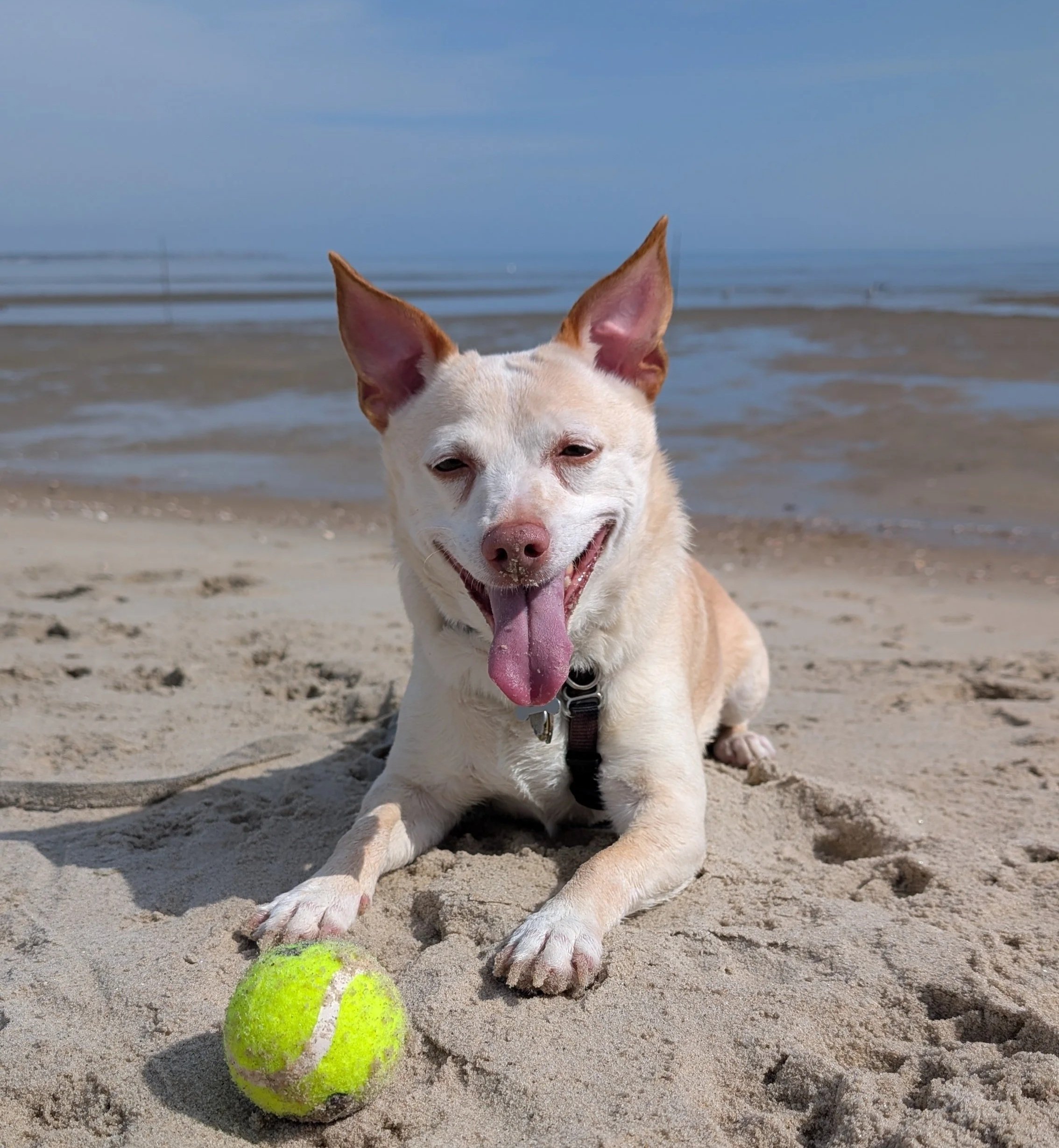
5 Things I’d Never Do as a Professional Dog Trainer
People are often surprised to learn that professional dog trainers don’t always live by the old-school “rules” many of us grew up hearing. The truth is, dog training has evolved a lot over the years, and many things that were once considered “best practice” are now understood very differently.
So, here are 5 things I’d personally never do as a dog trainer. Not because I think people who do them are bad dog guardians; We’re all doing the best we can with the information, experience, and resources available to us.
But over the years, through studying behavior science, canine behavior, and animal welfare, I’ve come to better understand what dogs are actually communicating, how they learn, and what they need to thrive. And with that knowledge comes a responsibility to do better.
These are the things I’ve learned to leave behind. Because when we know better, we can do better.
Get mad at my dog for being…a dog.
Especially if I haven’t taught them an alternative yet.
Dogs bark, chew, sniff, explore, and forage (including rummaging through the trash or checking out the kitchen countertops) because those are normal canine behaviors. No dog is perfect 100% of the time (don’t let social media lie to you!). And if I haven’t taught my dog what to do instead of a behavior I don’t like, I can’t expect them to magically know what I want.
Instead, I try to meet my dog halfway by finding ways to let them engage in species-typical behaviors that work for both of us.
For example, I provide a variety of safe, appropriate chew options so they’re less likely to turn my belongings into chew toys. I make sure the trash is secured rather than expecting my dog to resist the temptation of rummaging through it. And I actively encourage foraging by scattering treats in the grass, using food puzzles, or hiding food around the house for them to find.
The goal isn’t to stop my dog from being a dog. It’s to give them appropriate outlets for the things that come naturally to them while teaching them how to navigate the human world.
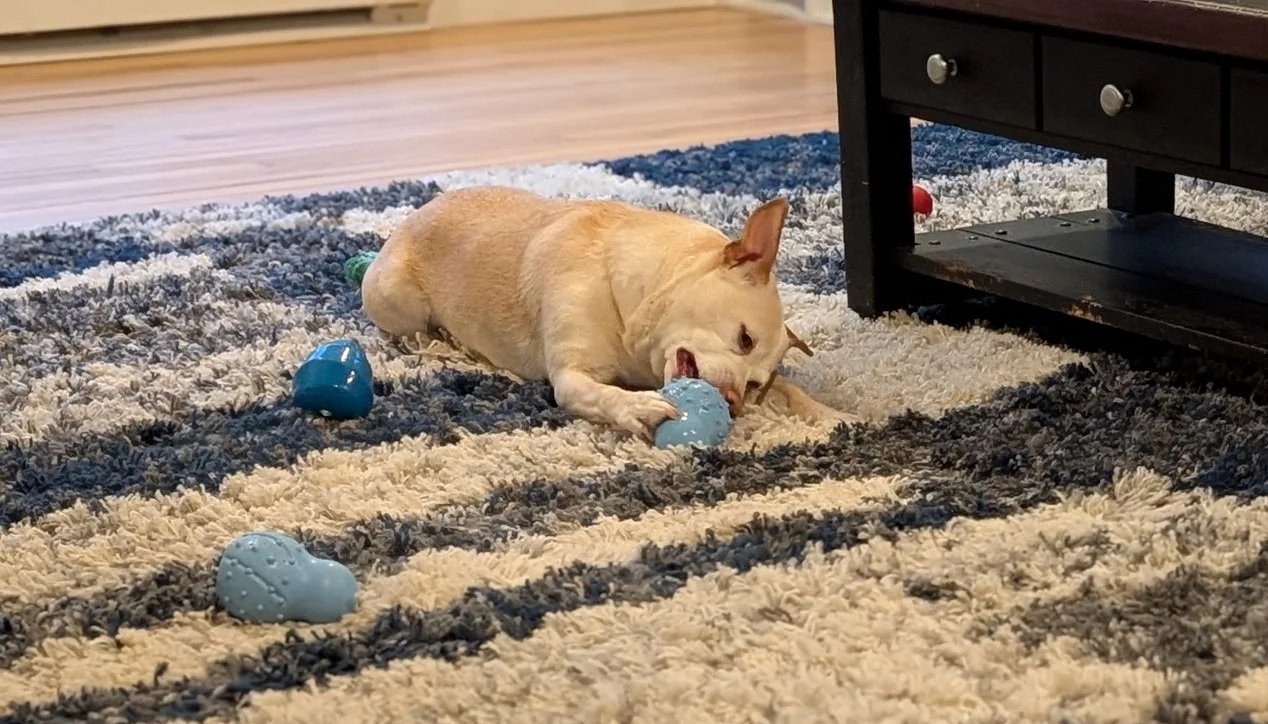
Feel Guilty for allowing my dog in bed
Yep, my dogs sleep in bed with me.
One of the biggest myths in dog training is that allowing your dog on the furniture or in your bed will make them “dominant” or cause them to think they’re in charge of the household. Thankfully, we now know that’s outdated advice based on old theories about dominance that don’t really apply to our relationships with pet dogs.
If you don’t want your dog in bed because you value your personal space or enjoy sleeping without four paws pressed into your spine, that’s completely valid! But there’s nothing inherently wrong with sharing your bed with your dog if it works for your household.
That said, there are situations where I wouldn’t recommend allowing a dog to sleep in bed. For example, if a dog is showing resource guarding behaviors, giving them their own sleeping space may be the safer and more appropriate choice. But those situations aren’t about “showing them who’s boss.” It’s about setting everyone up for success and preventing situations that could lead to conflict.
Personally, I love the cuddles… even if I somehow end up with 6 inches of mattress by morning.
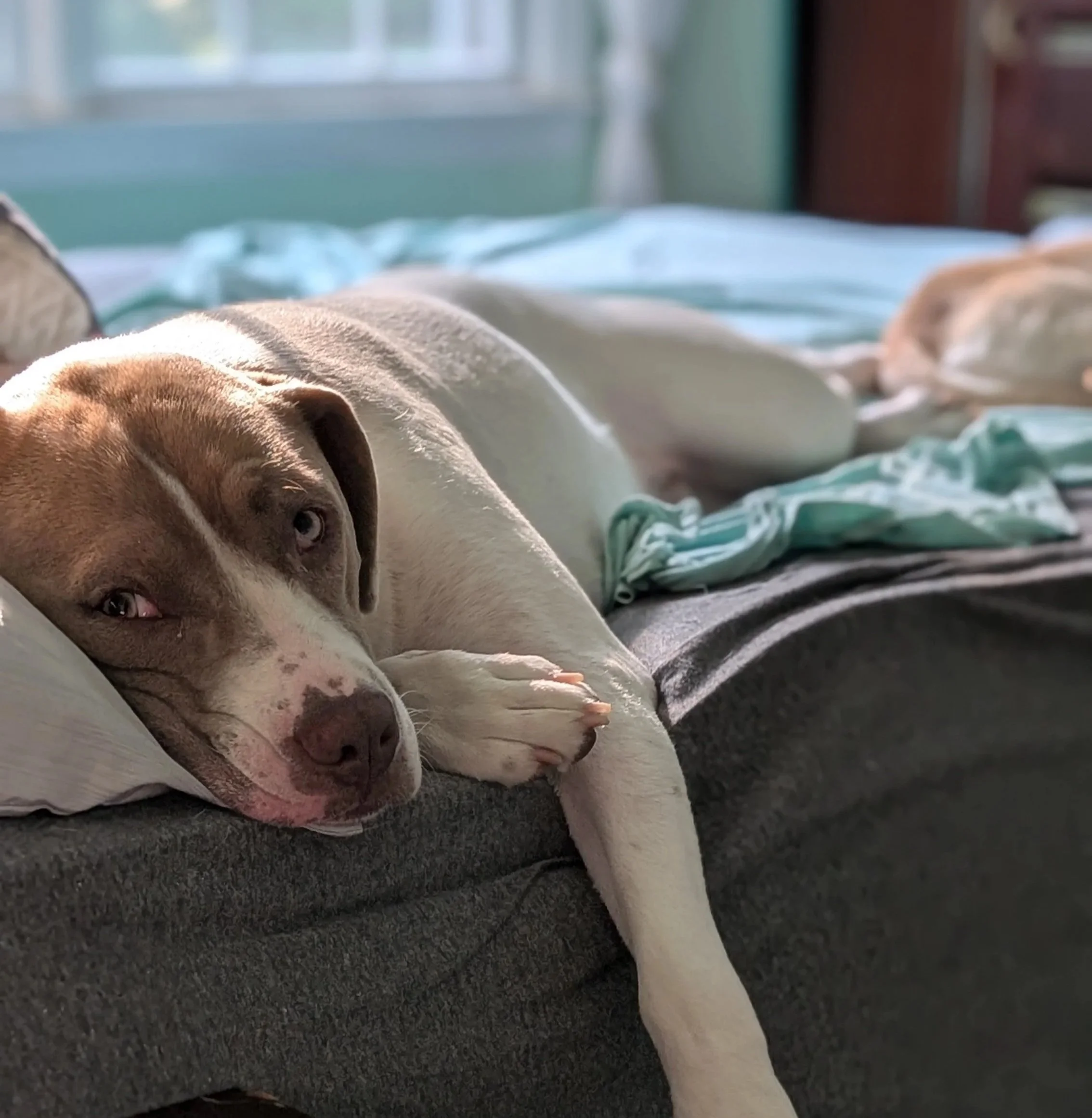
Expect My Dog to “Obey” 100% of the Time
Dogs aren’t robots. They’re living, breathing animals with emotions, instincts, stress levels, and preferences.
I think sometimes social media creates unrealistic expectations that “well-trained” dogs should respond perfectly in every environment no matter what’s happening around them. But real life doesn’t work that way.
Even highly trained dogs can struggle when they’re tired, overwhelmed, scared, excited, or distracted. Instead of viewing mistakes as “disobedience,” I try to ask myself:
Is this too difficult right now?
Does my dog fully understand what I’m asking?
Is the environment too overwhelming?
Have I practiced this skill enough?
Training is an ongoing process and no one, including our dogs, are perfect all the time (they have bad days, too!).
Force My Dog to Be Social
Not every dog wants to greet every person they meet (and honestly, same!).
Somewhere along the way, we decided that all dogs should be friendly, social, and happy to interact with everyone. But that expectation can put a lot of pressure on both dogs and their humans.
The reality is that sociability exists on a spectrum for dogs, just as it does for people. Some dogs genuinely love meeting everyone they encounter. Others prefer a smaller social circle, and some would rather not interact with unfamiliar people at all. None of those preferences make a dog “bad.”
I never force my dogs to greet someone they’re uncomfortable with (even if it makes me seem rude!). Instead, I advocate for them and give them the choice to interact. If they decide to approach someone, great! If they’d rather hang back, stay close to me, or head in the other direction, that’s great too.
And often, when dogs learn that they are allowed to say, “No thanks,” they become more confident because they no longer feel pressured or trapped in a situation they’re uncomfortable with. In some cases, they may even become more interested in engaging because they know they have the freedom to walk away.
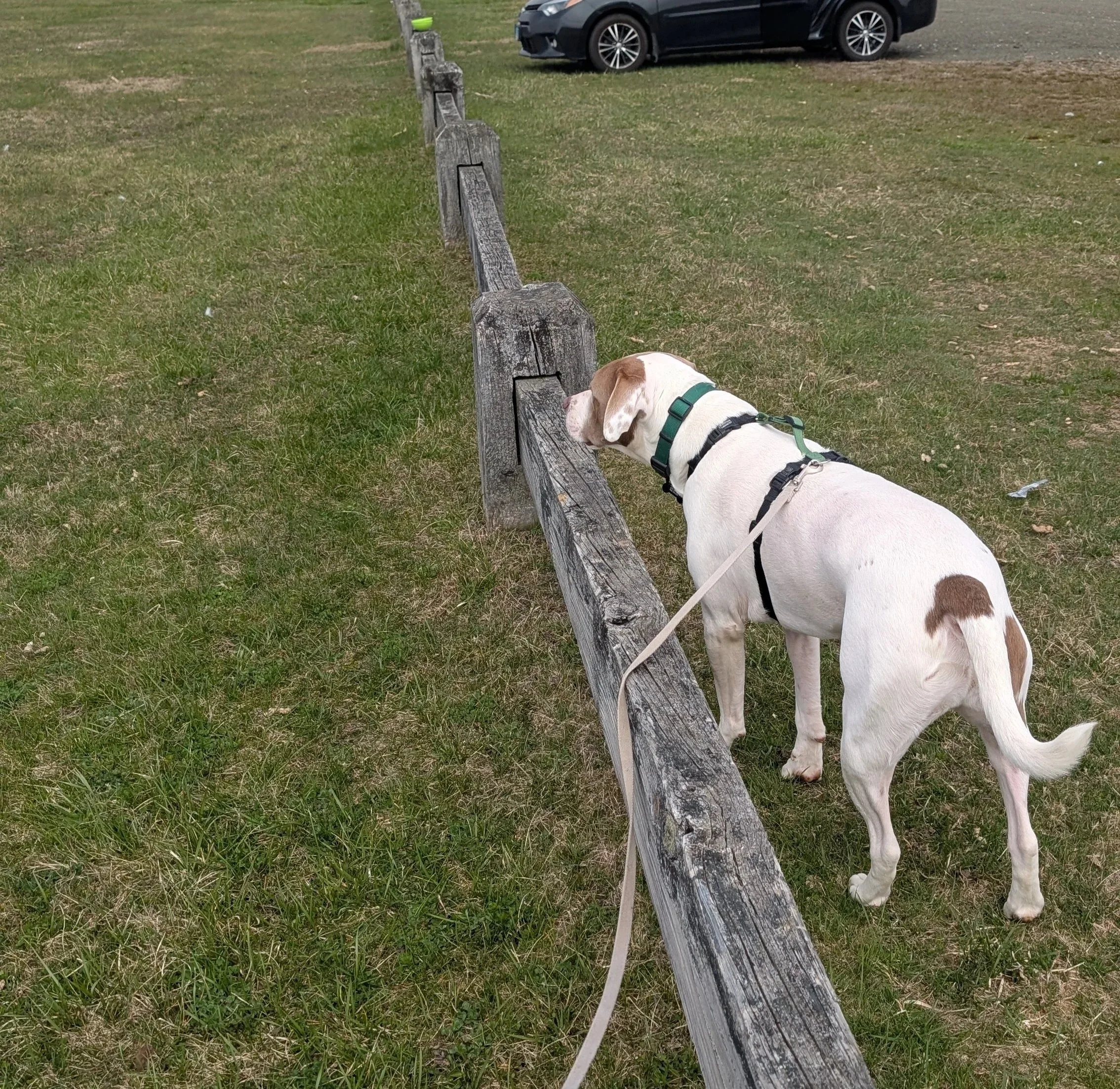
Makai gets nervous around new people and would prefer to observe from a distance. No problem!
Throw My Dog Into Situations They Aren’t Ready For
Flooding, which means exposing a dog to something stress-inducing and hoping they “get over it” is still incredibly common advice.
But confidence doesn’t come from forcing dogs to endure scary situations. It comes from helping them feel safe, supported, and successful at a level they can handle.
If my dog is nervous about something, I’d rather take smaller training steps and build positive experiences than rush the process. I want them to learn that they can encounter something unfamiliar or scary and still feel safe and in control. Sometimes, this means letting go of my expectations and moving slower than I’d like to.
Slow progress may not look exciting on social media, but it’s often the more humane approach, and can lead to much more lasting results.
At the end of the day, my goal isn't to raise a "perfect" dog. It's to build a relationship based on trust, communication, and mutual understanding.
The more I learn about dogs, the less I worry about outdated rules and unrealistic expectations. Instead, I focus on helping my dogs feel safe, teaching them the skills they need to succeed, and remembering that they're allowed to make their own choices (when safe and practical), express their emotions, and have off days…just like we are.
If there's one thing I'd encourage every dog owner to take away from this, it's that good training isn't about control. It's about creating an environment where both you and your dog can thrive together. And in my experience, that approach is not only kinder, but far more effective.
With wags and aloha,
Cori Tufano- CPDT-KA, CSAT, FDM, FFCP