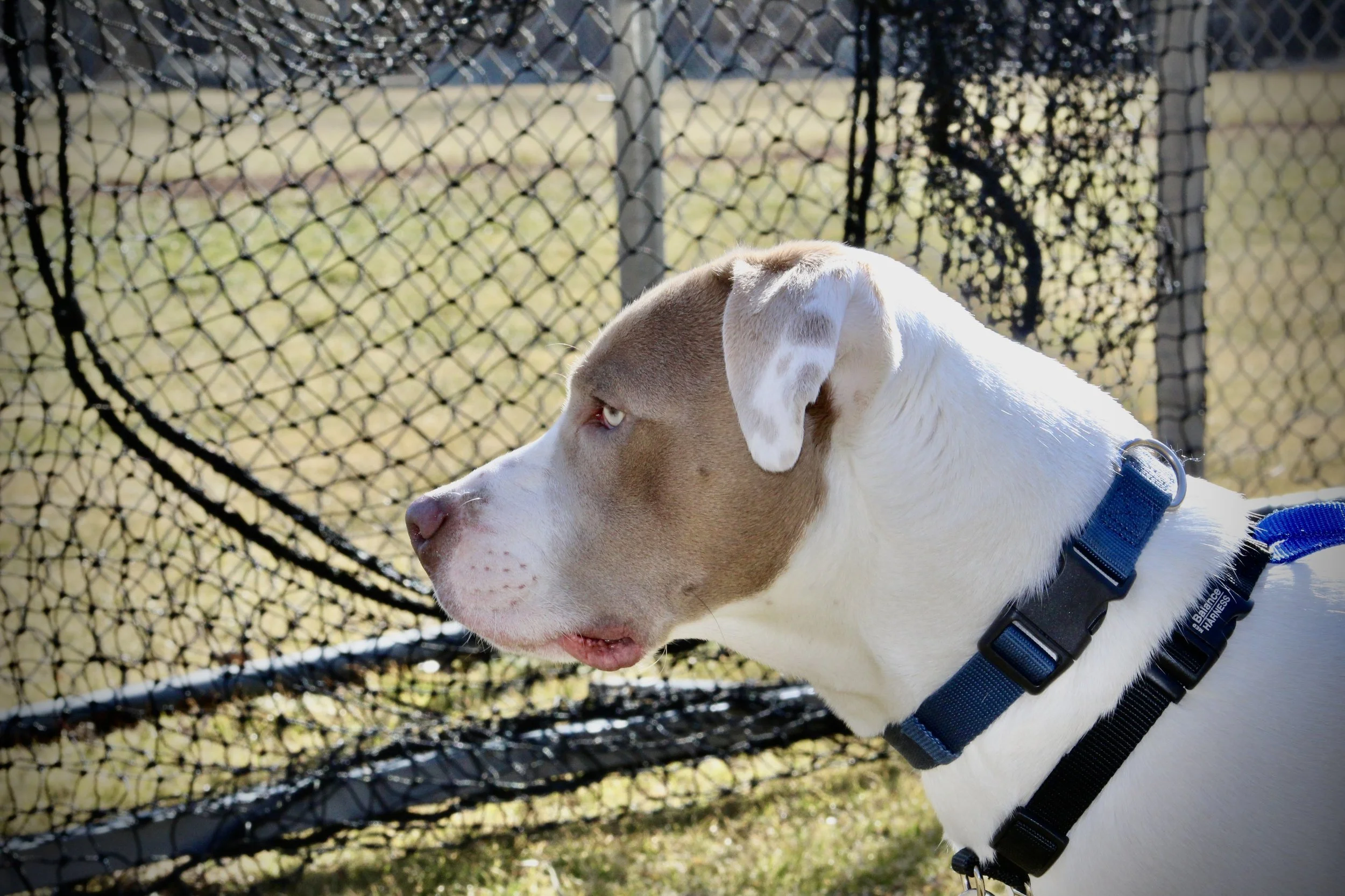
Should Your Puppy Greet People and Dogs on Walks?
Socialization is important. In fact, it’s one of the most important things you can do for a puppy, especially before they reach 4 months of age. Proper socialization helps puppies grow into well-rounded, confident, and calm adult dogs. (Check out my other blog post where I talk more in-depth about puppy socialization!)
At Lasata Dog Training, I help puppy owners throughout the Connecticut shoreline raise confident, well-mannered dogs. One topic that often comes up during puppy training is whether puppies should greet people and other dogs while out on walks.
The short answer is: maybe.
While puppy socialization is incredibly important, it doesn't mean your puppy needs to greet every person or dog they encounter. In many situations, calmly observing the world is actually a more valuable socialization experience than saying hello.
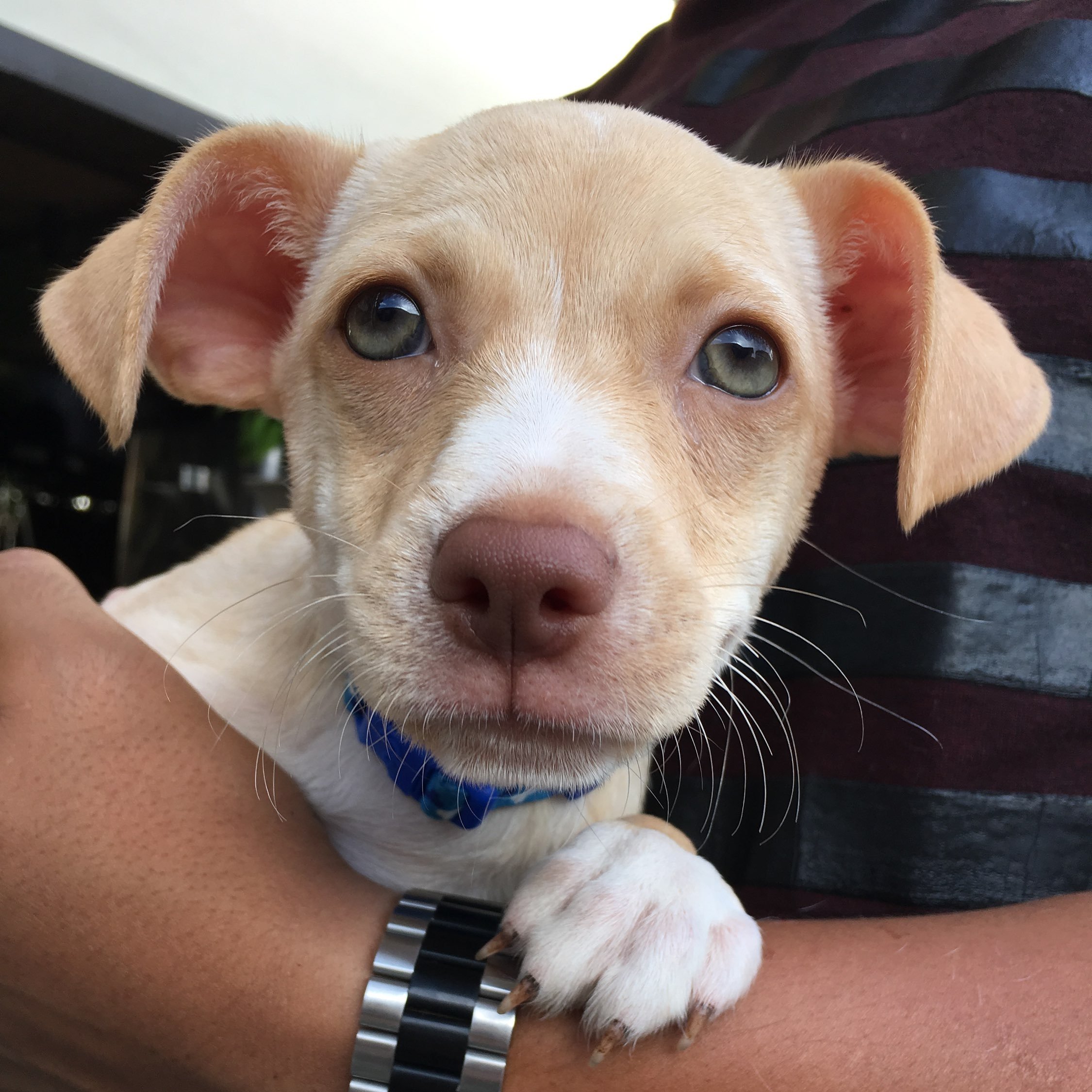
Why Greeting Everyone Can Become a Problem
One of the biggest mistakes I see well-meaning guardians make is allowing their puppy to rush up to everyone because they want their dog to be "friendly." While that may seem harmless when your puppy is small, it can create unwanted and sometimes unsafe behaviors later on.
If puppies learn that pulling toward people and dogs always leads to greetings, they may grow into adult dogs who drag their owners down the sidewalk every time they spot something exciting. It can also create frustration when they aren’t able or allowed to greet someone, which may eventually show up as barking, lunging, or overexcitement on leash.
Not Every Greeting Is a Positive Experience
There's another important piece to consider: negative interactions can have lasting behavioral effects.
If a puppy rushes up to a person or another dog and gets startled, overwhelmed, or frightened, that experience can leave a lasting impression. Puppies are constantly learning about the world around them, and negative experiences during critical developmental periods can contribute to fear or anxiety later in life.
For example, imagine your puppy eagerly approaches a child, but the child shrieks, grabs too roughly, or moves unpredictably and scares them. Your puppy may begin associating children with discomfort or fear. The same can happen with unfamiliar dogs, loud noises, bicycles, or overwhelming environments.
Observation Is Socialization, Too
That's why I like to focus a large part of puppy socialization on teaching puppies to calmly observe the world rather than feeling the need to constantly interact with it.
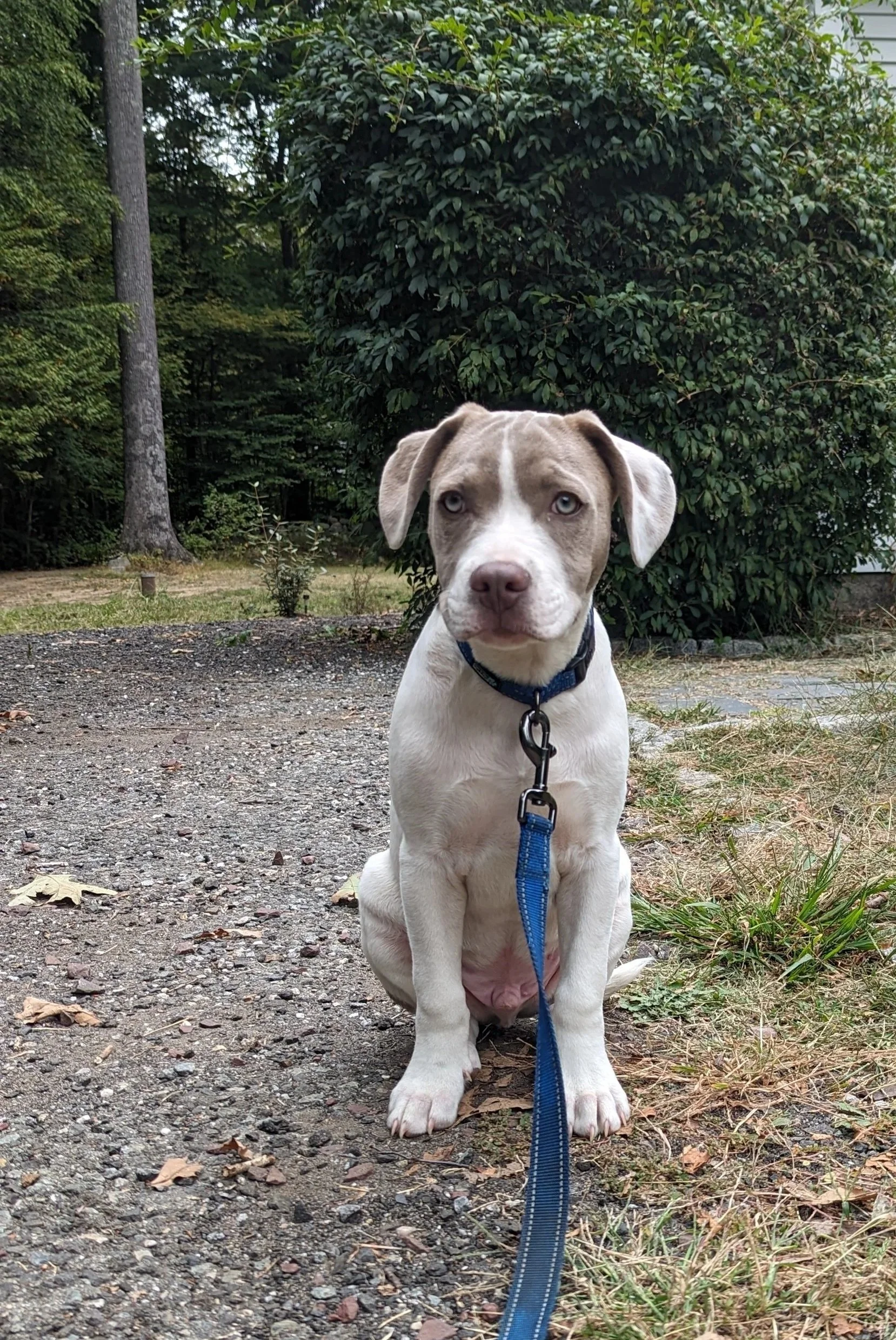
Your puppy can learn a lot simply by watching people walk by, seeing dogs at a distance, hearing traffic, or sitting quietly outside a coffee shop. If you live along the Connecticut shoreline, you might practice this while relaxing on a bench at the Guilford Green or watching people, dogs, and cyclists from a comfortable distance at Hammonasset Beach State Park. These calm observation sessions help puppies build confidence by teaching them to process new experiences without becoming overstimulated or expecting every person or dog they see to be a potential greeting. Over time, these quiet experiences show puppies that the world is safe while helping them develop patience, self control, and calm manners.
A puppy who can calmly walk past distractions is often much easier and much more enjoyable to live with than a puppy who believes every person, dog, squirrel, or child exists for them to interact with.
When Should You Let Your Puppy Say Hello?
Of course, that doesn't mean puppies should never greet people or dogs. Positive social interactions are still an important part of socialization. The goal is simply to be thoughtful and intentional about them.
Before allowing your puppy to greet someone, ask yourself:
Is the person comfortable interacting with puppies? (Be especially cautious with young children, who may unintentionally overwhelm or frighten a puppy.)
Is there anything in the environment that could startle your puppy? For example, if someone is carrying an umbrella, has your puppy seen umbrellas before and shown they're comfortable around them?
Does your puppy actually seem interested in greeting the person? If your puppy appears hesitant or nervous, it's perfectly okay to politely ask people not to approach.
Does your puppy have the ability to leave the interaction if they choose? Even if they seem eager at first, they may change their mind, and puppies should always have the option to move away.
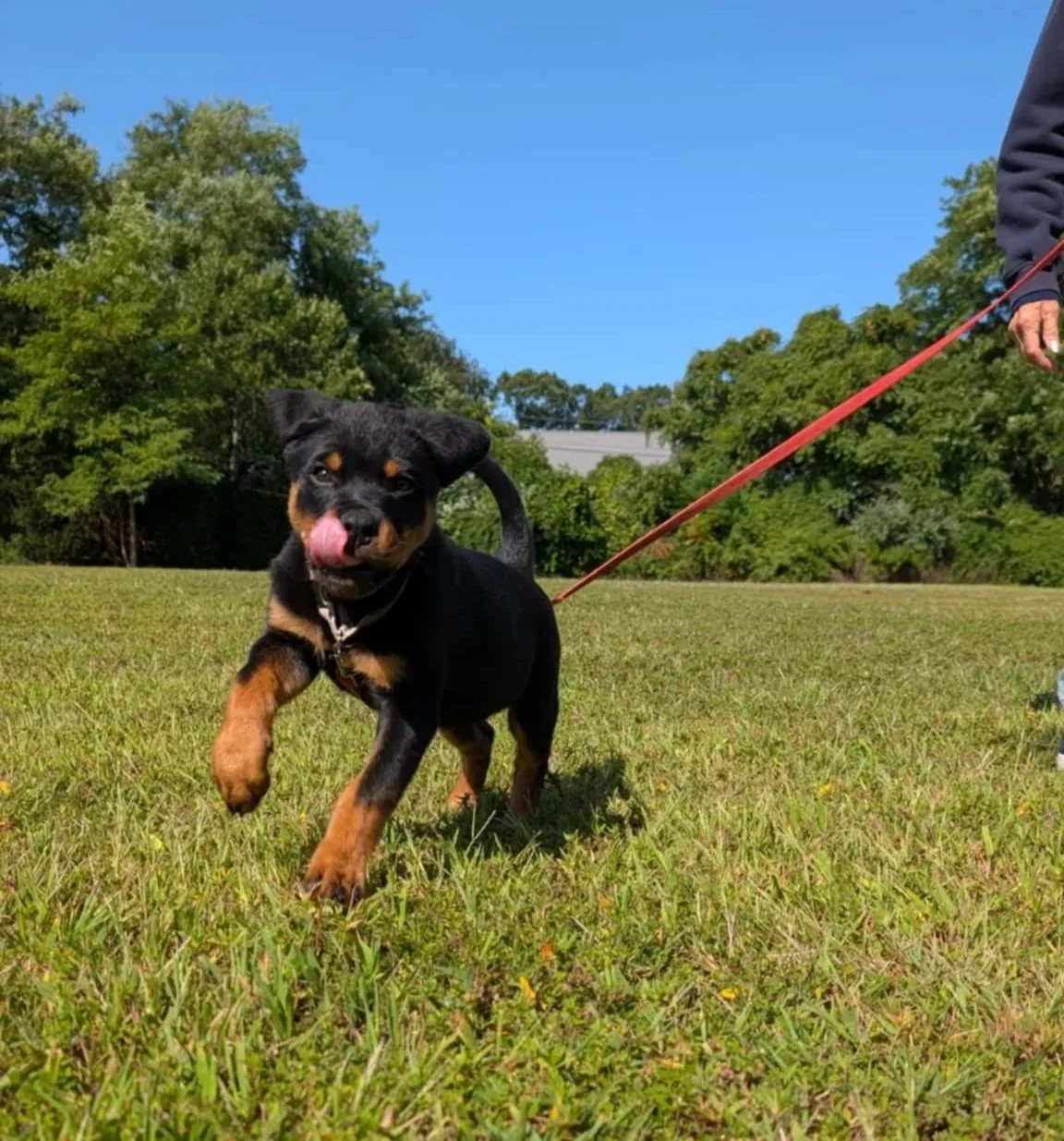
The Goal Is a Calm, Confident Adult Dog
Socialization is about more than simply "socializing." Interaction is only one small piece of the bigger picture. It's just as important to teach puppies how to observe the world without feeling the need to engage with all of it.
Whether you're exploring the Connecticut shoreline, walking through your neighborhood, or spending time in a busy public space, every outing is an opportunity to teach your puppy that they can stay calm and engaged with you even when there are interesting people and dogs nearby.
Learning that skill can make life easier and more enjoyable for both you and your dog for years to come.
If you're looking for personalized puppy training or puppy socialization guidance, I work with families in Westbrook, Clinton, Madison, Guilford, Branford, Killingworth, Essex, and Old Lyme to help puppies develop the confidence and skills they need to become well-mannered companions. Reach out and let’s chat about your puppy and your training goals!.
With wags and aloha,
Cori Tufano- CPDT-KA, CSAT, FFCP, FDM