So You Got a New Dog: Tips for a Smooth Transition
Bringing home a new dog is exciting, heartwarming and yet, a little overwhelming sometimes. Whether your newest family member is a puppy or an adult dog, the first few weeks are a big adjustment for everyone involved.
As a professional dog trainer in Connecticut specializing in positive reinforcement training, I work with families throughout Old Lyme, Old Saybrook, Westbrook, Clinton, Madison and Guilford to help new dogs transition smoothly into their homes.
Here are my top tips to help your new dog feel safe and secure so they can thrive as part of your family.
1. Give Your New Dog Time and Space to Decompress
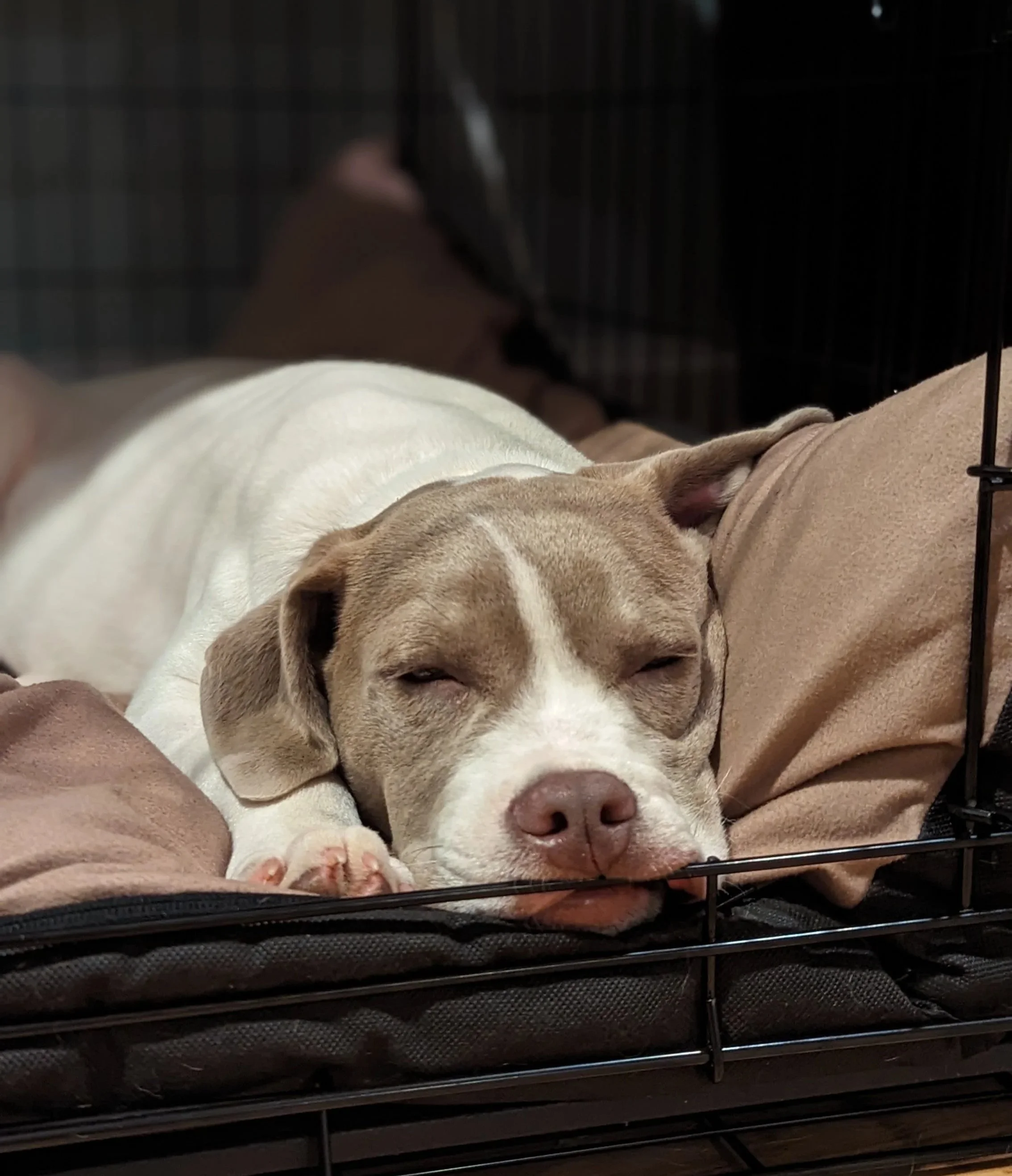
Your dog has just left everything they know, the people, routines, smells, and environment, and entered a brand-new world. Even in the most loving home, this can feel overwhelming at first.
Set up a quiet, cozy space just for your dog, such as:
A comfortable bed in a low-traffic area
A crate (only if your dog is already comfortable in a crate)
Allow your dog to explore at their own pace and come to you when they’re ready. Patience during these early days builds trust and creates the foundation for a strong, lasting bond.
2. Create a Consistent Daily Routine
Many dogs thrive on predictability, especially during big life changes. A consistent routine helps your new dog understand what to expect and when, which can significantly reduce stress and anxiety during the transition period.
Whenever possible, try to stick closely to the routine your dog is already used to at first. This might include:
Feeding meals at the same times they’re accustomed to
Using the same food they’ve been eating (you can always transition to something new later on if you’d like)
Maintaining familiar walk or potty schedules
Keeping nap and bedtime routines consistent
Providing familiar blankets, bedding, toys, or other comfort items that smell like their previous home
Once your dog feels settled and comfortable in your home, you can gradually adjust the routine to better fit your household.
This is especially helpful for newly adopted dogs from out of state settling into Connecticut shoreline homes where new sights, sounds, and smells may take time to adjust to.
3. Dog-Proof Your Home and Set Them Up for Success
Your new dog doesn’t know the house rules yet, and curiosity (and mistakes) is normal.
When I brought my own dog, Shiloh, home, he peed on the coffee table on day one (but never again!). Even previously house-trained dogs may need a refresher when moving into a new home.
To prevent problems before they start:
Keep tempting items out of reach
Block off unsupervised areas
Remove anything you don’t want chewed, swallowed, or knocked over
Preventing unwanted behaviors early is one of the easiest ways to set your dog up for long-term success.

4. Use Positive Reinforcement Dog Training
Positive reinforcement training is one of the most effective and humane ways to teach your dog new behaviors while building trust and confidence.
By rewarding desired behaviors with treats, praise, and toys, you create lasting habits and a strong bond.
5. Make Slow, Intentional Introductions
If you have other pets, children, or frequent visitors, take introductions slowly. Too much too soon can be overwhelming.
Start with calm, one-on-one interactions and gradually build up as your dog becomes more comfortable and confident. Moving at your dog’s pace helps create positive associations and sets the foundation for safe, healthy relationships in the future.
If you notice signs of fear, anxiety, or aggressive behavior, reach out to a positive reinforcement dog trainer right away for professional guidance. Early support can prevent issues from escalating and help keep everyone safe.
Bonus Tips for an Even Smoother Transition:
Schedule a Vet Appointment Right Away
Even if your new dog appears healthy, scheduling a wellness exam early on provides a baseline for their overall health and ensures vaccinations, parasite prevention, and general care are on track. It’s also a great opportunity to ask questions about diet, preventative care, and any breed-specific health concerns.
There are many excellent veterinary clinics serving Old Saybrook, Old Lyme, Madison, Clinton, and Guilford, making it easy to establish care and support your dog’s health from the start.
Incorporate Enrichment Activities
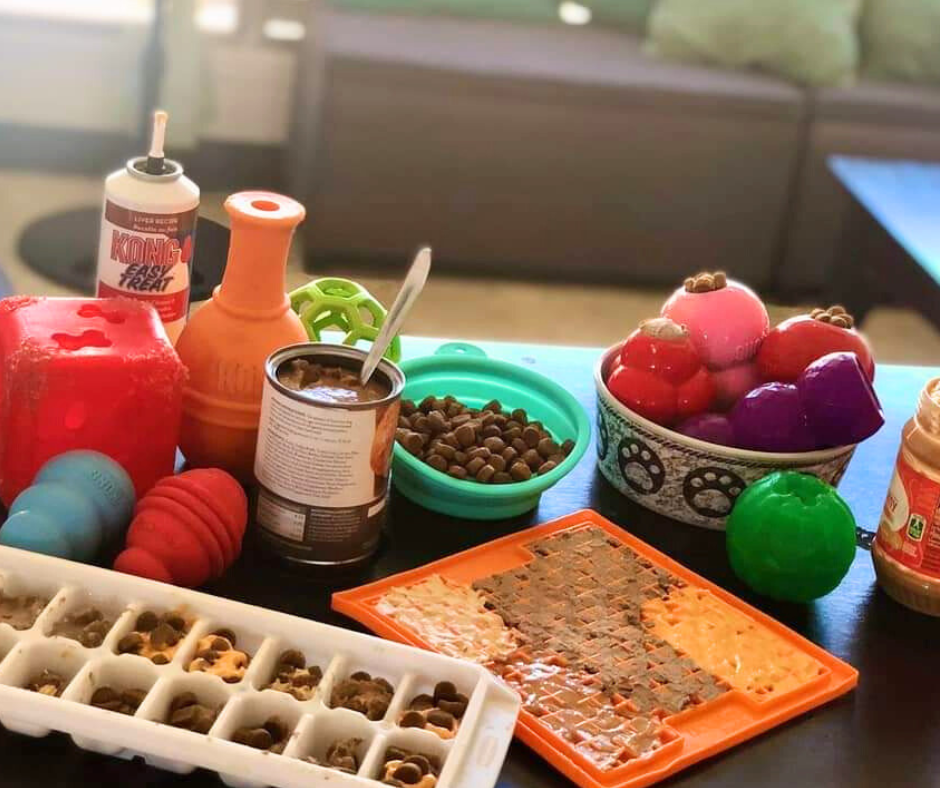
Mental stimulation is just as important as physical exercise for your dog’s overall well-being. It can help to prevent stress, reduce boredom and build confidence. Incorporate activities such as:
Puzzle feeders
Sniff walks
Lick mats
Stuffed Kongs
Simple positive reinforcement training games
With patience, structure, positive reinforcement, and plenty of love, you can help your new dog feel safe, secure, and truly at home.
If you live in Old Saybrook, Clinton, Madison, Westbrook, or Guilford, Connecticut and want extra support, I offer a free 20-minute phone consultation. During our call, we’ll talk about your new dog, your goals, and how I can help you with a smooth, confident transition. Getting professional guidance early can make a lasting difference in your dog’s behavior, confidence, and happiness, so you both start off on the right paw!
With wags and aloha,
Cori Tufano- CPDT-KA, FDM, FFCP, CSAT