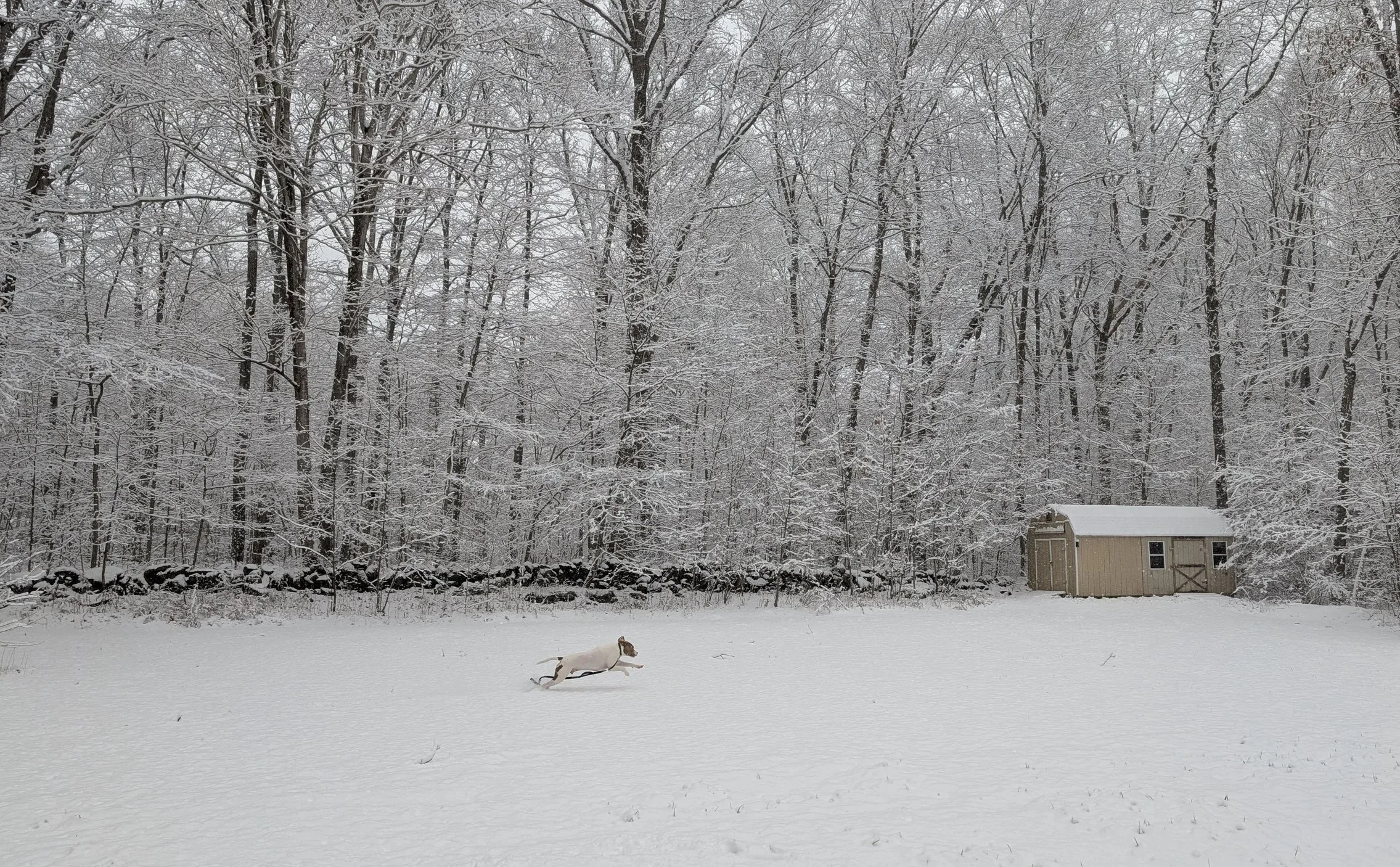
Winter Dog Exercise: Keeping Your Dog Safe, Warm and Fulfilled
It seems Mother Nature isn’t taking it easy on us this year in Connecticut. While those of us living in shoreline towns like Westbrook, Old Saybrook, and Madison may have it a bit easier than our inland friends, it’s still been a pretty brutal winter.
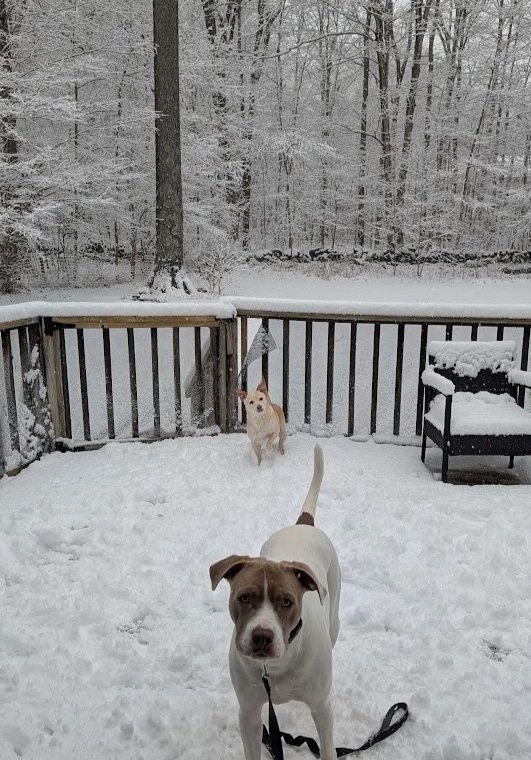
That said, cold weather, snow, and icy sidewalks don’t have to mean a bored or restless dog. Winter can be a challenging time for exercise, but with the right strategies, you can keep your dog healthy, mentally stimulated, and happy, even when it’s freezing outside.
Consider the Weather and Safety First
Before heading outdoors, always think about your dog’s comfort and safety:
Temperature: Small dogs, short-haired breeds, and senior dogs tend to be more sensitive to the cold. If it’s too cold for you, it’s likely too cold for them.
Ice and Salt: Ice can be slippery and dangerous, and salt or ice melt can irritate your dog’s paws.
Visibility: Winter days are shorter, so if you’re walking in low light or darkness, use reflective collars, leashes, or vests, especially in areas with lots of traffic or wildlife.
Even if it’s chilly, short outdoor walks or bathroom breaks are still important. Just be sure to adjust the duration and intensity based on the weather and your dog’s individual tolerance.
Before you Put a Sweater on Your Dog…
If you use a sweater, coat, or booties for your dog, spend time helping them become acclimated to wearing them first.
Start by introducing winter gear indoors in a calm, familiar area of your home. Allow your dog to sniff the item, then reward them with treats and praise. Put the gear on for short periods at first, gradually increasing the time as your dog becomes more relaxed. Pairing sweaters or booties with positive experiences, such as treats, playtime, or meals, can help create a strong, positive association.
Make sure any winter gear fits properly and doesn’t restrict movement. Anything your dog wears should still allow them to walk naturally and comfortably.
Indoor Exercise Alternatives
When the weather is simply too cold to spend much time outdoors, indoor exercise can safely burn energy and provide valuable mental stimulation.
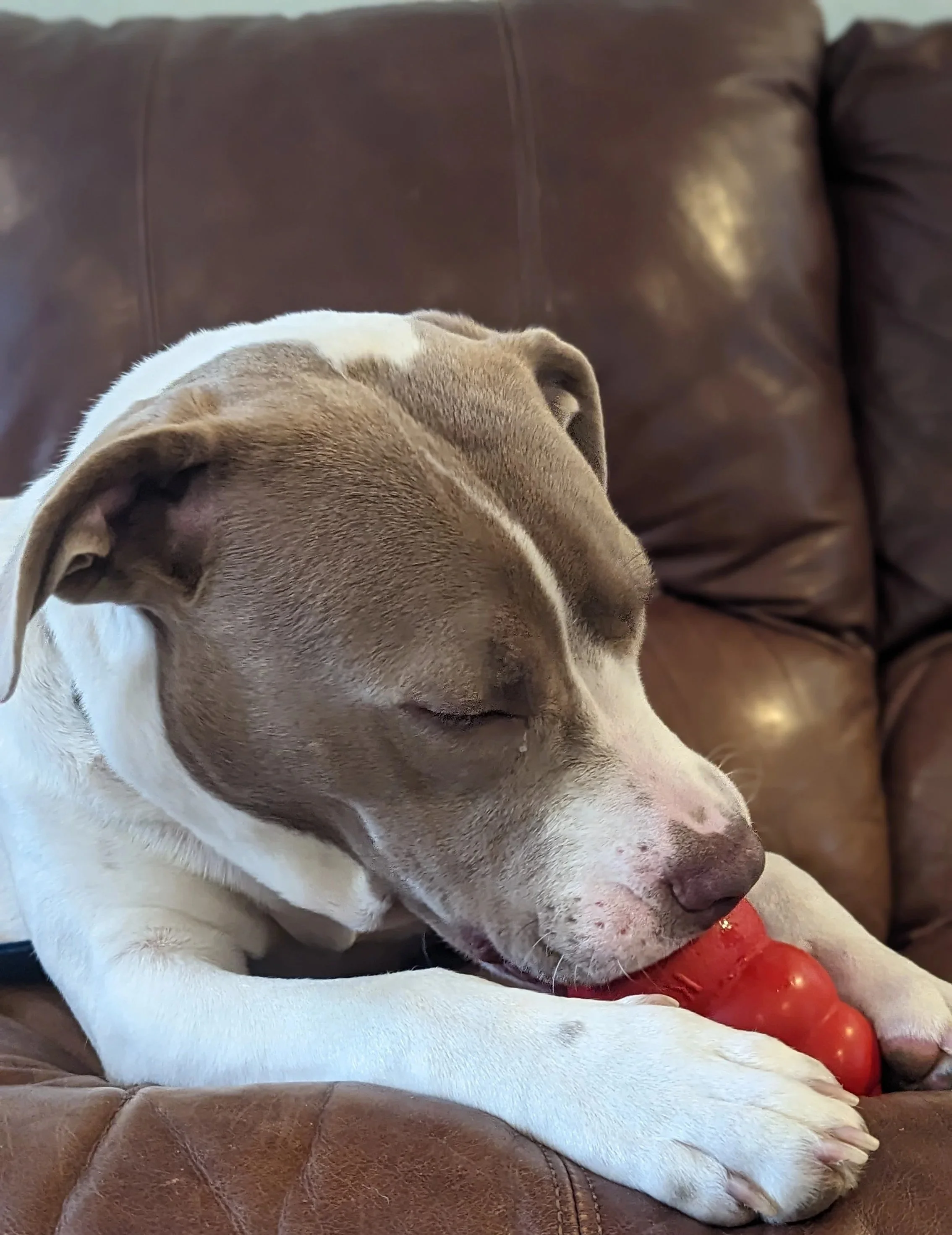
Positive Reinforcement Training: Winter is a great time to teach new tricks or practice familiar cues. Training builds good behavior, strengthens your bond, and challenges your dog mentally. Even short 5–10 minute sessions can provide significant mental exercise.
Puzzle Toys & Food-Dispensing Games: Toys that hide treats or kibble encourage problem-solving and keep dogs engaged. Mental stimulation is just as important as physical exercise for your dog’s overall welfare.
Indoor Physical Activities: Tug-of-war, hallway fetch, or hide-and-seek with toys or treats can be a fun alternative to outdoor exercise.
Scent Work & Nose Games: Hide treats around the house or under cups or bowls and encourage your dog to sniff them out. These games can be enriching and fun for many dogs.
Combine Indoor and Outdoor Exercise When Possible
Even on cold days, a little outdoor time can be beneficial. A short walk during the warmest part of the day, paired with indoor games or training in the morning and/or evening, helps balance physical and mental activity.
Winter may pose some challenges, but it doesn’t have to completely limit your dog’s physical and mental exercise. With some creativity, you can keep your dog fulfilled as we await the arrival of spring!
With wags and aloha,
Cori Tufano- CPDT-KA, FDM, CSAT, FFCP